Chapter 2025
Originally presented Tuesday May 20, 2025 (Charlottetown Hotel)
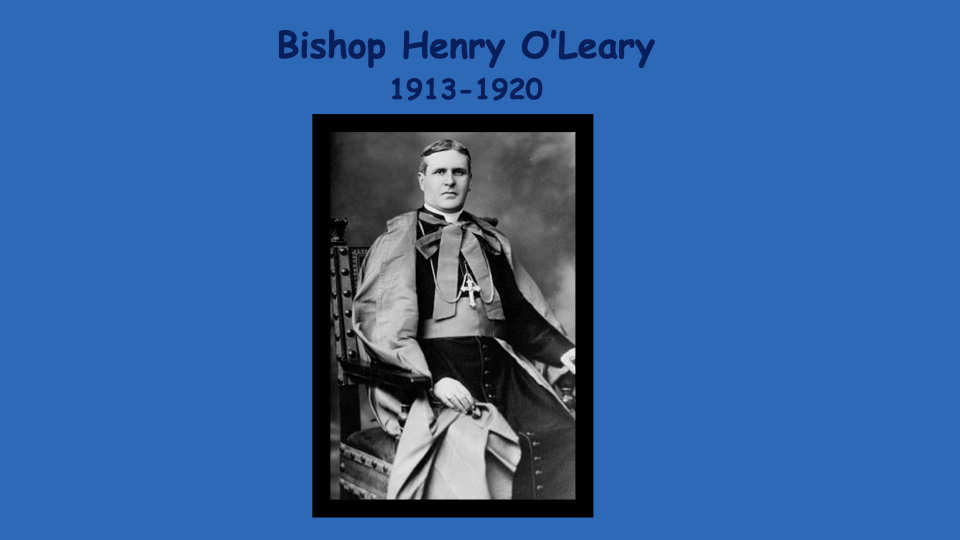
Before we, the Sisters of Saint Martha of PEI, came to be, a prophetic desire was expressed by our founder, Bishop Henry O’Leary, who wished to see a community of vowed religious women established in the Diocese of Charlottetown. These were his words: Under God, it is the tiny grain of mustard seed which will grow and flourish and send out roots and branches to other parts.
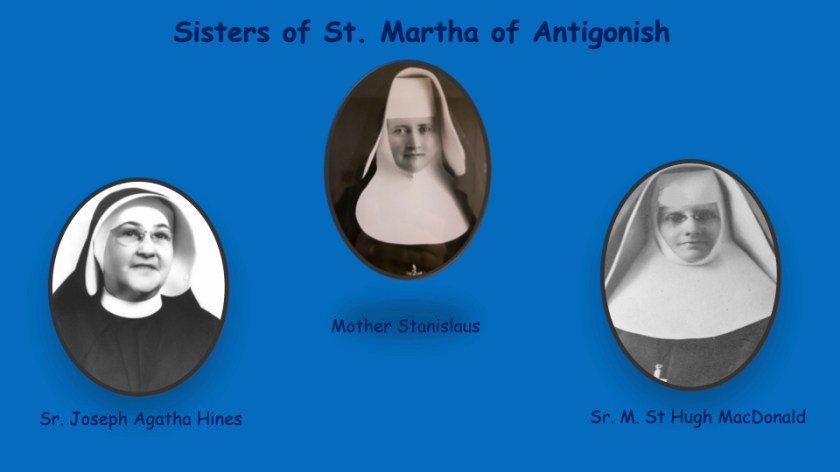
As many of you know, our friends, the Sisters of Saint Martha of Antigonish, played a pivotal role in the unfolding of this dream. We owe a great debt of gratitude to them for all that they did to support us in our formative years. Not only did they train our first four Sisters but they also sent some of their Sisters here to Charlottetown to support our beginnings on home soil. And so, on July 17, 1916 the new PEI Sisters accompanied Mother Stanislaus, Sister Saint Hugh, Sister Joseph Agatha from Antigonish to Charlottetown.
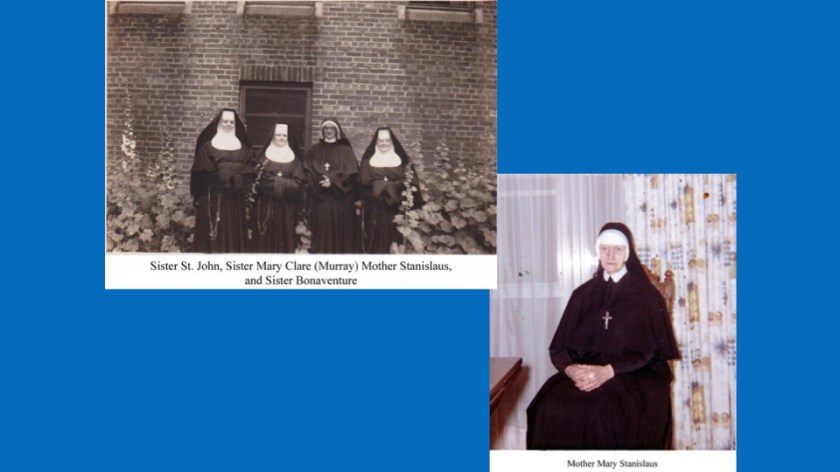
The group arrived in Charlottetown aboard the Northumberland Ferry.
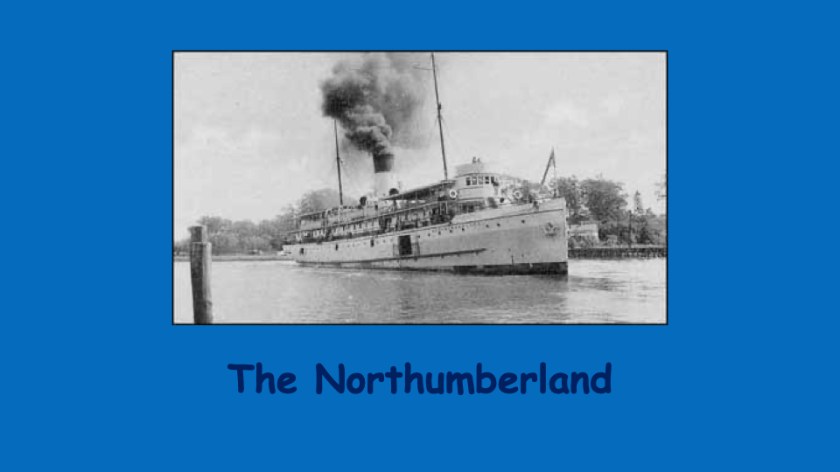
Among the passengers were two wounded soldiers returning from the battlefields of Europe. While a band played loudly, many arrived to greet the soldiers. The Sisters remained in the ship’s cabin, pretending that the fuss was actually in their honor. When things finally calmed down, off they went to Saint Dunstan’s College.
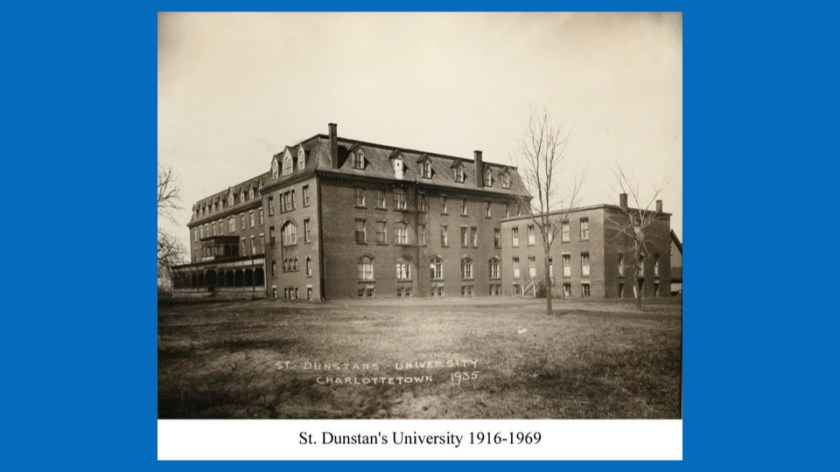
And so the tiny mustard seed, consisting of Sisters Mary Clare, Bernadine, Saint John, and Mary Bonaventure, was now planted on PEI. The evening that the group arrived at Saint Dunstan’s College, they were greeted by the Holy Family Sisters who had been responsible for domestic work at the college. The new arrivals were to replace these Sisters who were leaving the following day to return to their motherhouse in Quebec. Their successors had so little time to find out what their responsibilities would be that they were obliged to go to the college Rector the next morning to ask where they could find potatoes for dinner.
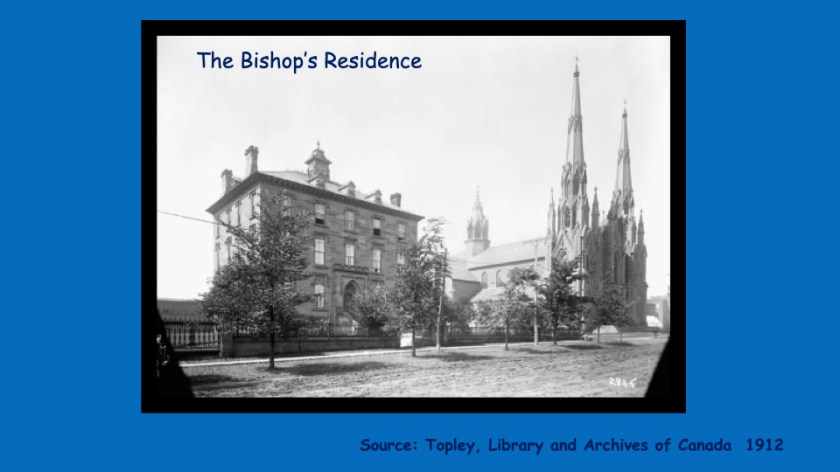
Without a doubt, the early years of our community were marked by the rapid growth of new ministries as we responded to needs in the Diocese of Charlottetown. Our first mission was located at Saint Dunstan’s College, now UPEI. The Sisters worked long hours to provide domestic services for the resident priests and about ninety students, the number of which would grow steadily in the coming years. The number of Sisters grew as well and, before long, four Sisters went to the Bishop’s residence in Charlottetown to keep house.
More new ministries began to emerge. In 1918, three young women entering the community, who were licensed teachers, were sent to Antigonish to attend university classes and to complete their novitiate training. They and five Antigonish novices received the habit on June 8, 1919. These teaching Sisters became the pioneers of our educational outreach. In addition, Sisters were sent for studies in nursing and other facets of health care.
In order to meet the growing needs, the first motherhouse was established in 1920 on Mount Edward Road and called Mount Saint Mary’s.
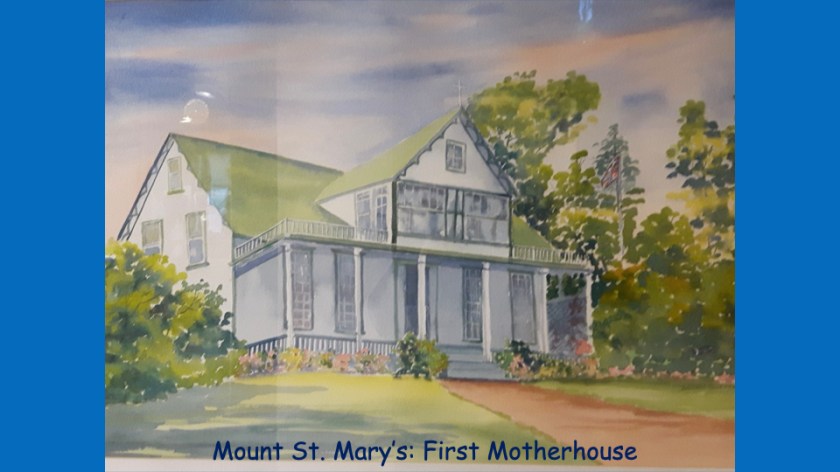
The first General Chapter was held there on July 29, 1921 with 17 professed Sisters present. A short while later, on August 8, word was received from the recently-appointed Bishop Louis O’Leary that he had appointed Sister Frances Loyola Superior for one year.
Soon after, on August 11, 1921, Mother Stanislaus returned to Antigonish. She is remembered this way in our historical records: “She had indeed been a mother to her spiritual daughters, sharing their joys and sorrows, always kind and thoughtful even to the smallest details, leading them in her gentle way to love God and be generous in his service” (p. 24, By the Flame of the Lantern).
It was time for the fledgling community to start a new chapter in their history. In 1921, a new teaching mission was opened in Kinkora, PEI.
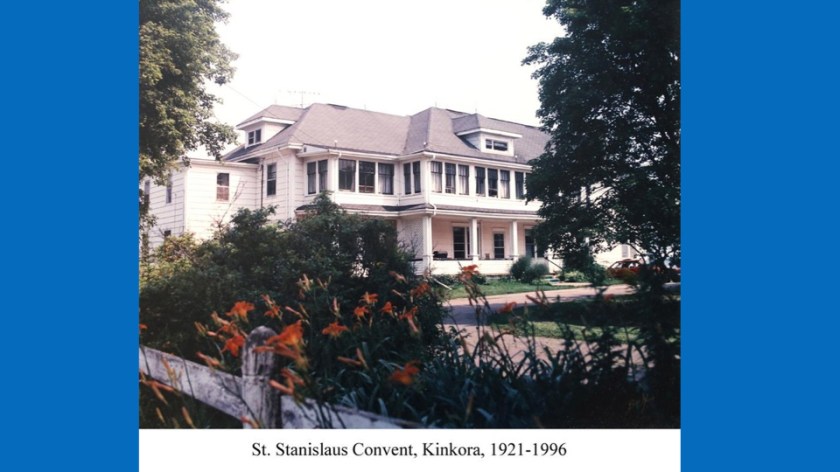
The following year, the Sisters were asked to take charge of Saint Francis Hostel in Charlottetown, a small facility for elderly women. Only three years later, in 1925, the mammoth challenge of replacing the Grey Nuns who had been serving at Saint Vincent’s orphanage and the Charlottetown Hospital became reality.
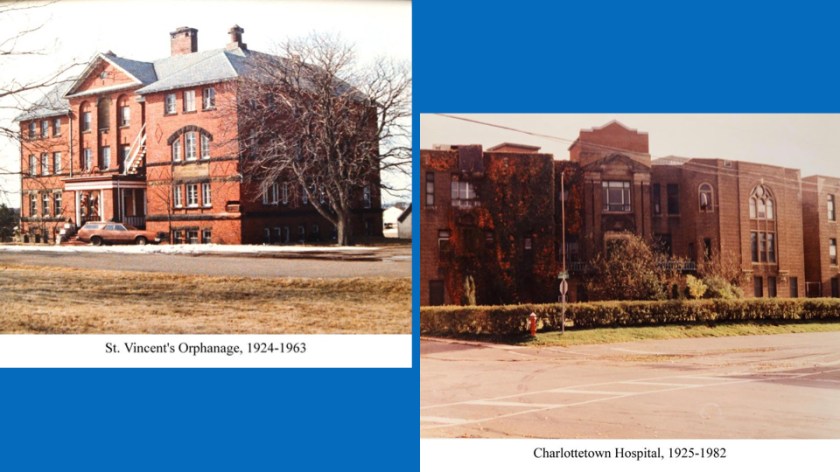
What was thought of as “mission impossible” was embraced with much energy and faith. To begin with, several more Sisters were sent to be certified to work in various medical departments.
Life was very full of responsibilities and the resources were few but the Sisters’ deep sense of their call to love and serve Christ, their devotion to Mary and their life of personal and communal prayer sustained them.
And as the years went on, our visibility grew as did our ministries. By 1925 we were approximately thirty-five Sisters whose ministries also included the training of nurses in the Charlottetown Hospital. In health care and care for the aged, we exercised leadership roles, some Sisters filling positions that were previously designated to males only.
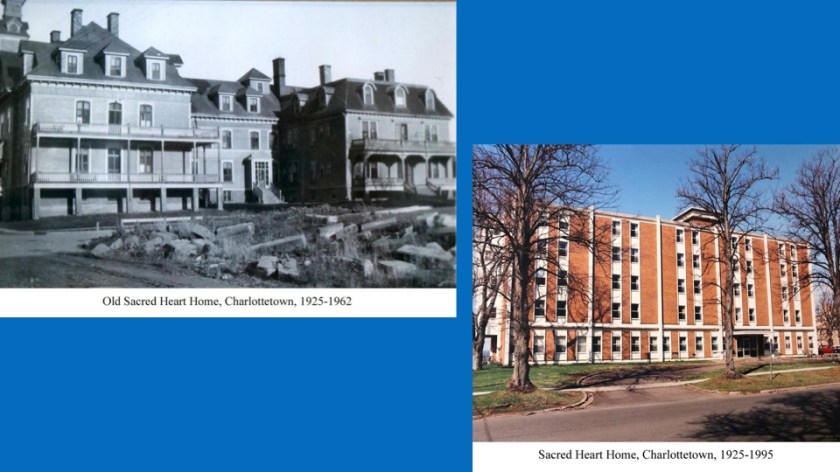
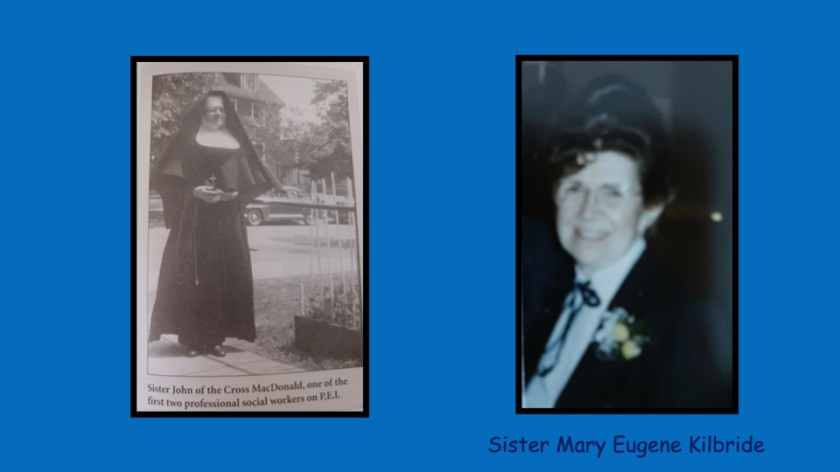
By 1931 we had also founded a Social Service department under the aegis of the Charlottetown Hospital. And after WW2, two Sisters served as the first professionally trained social workers on PEI and the Charlottetown office became known as the Catholic Social Welfare Bureau.
In 1945, a new world era began. We responded to the needs of the church and society as always— in the spirit of Saint Martha. For example, we staffed a school and nursing station on Lennox Island, an indigenous reserve in western PEI. Moreover, licensed teaching Sisters began new ministries in eastern PEI.
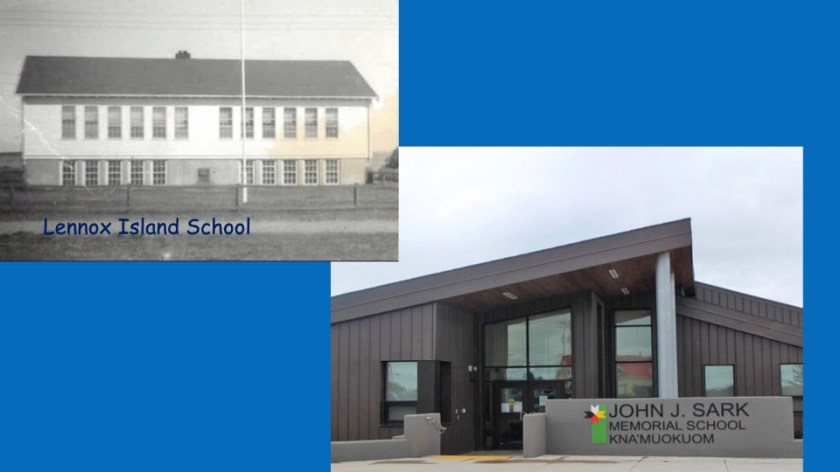
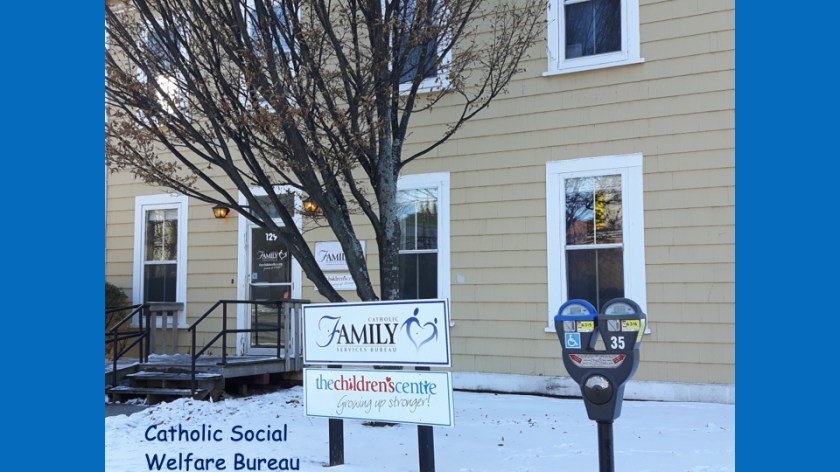
Although the congregation was still young, the ministries of the Sisters extended into new works including catechetics in rural parishes, the opening of a hospital in western PEI, and homemaking at Regiopolis College in Kingston, Ontario, fondly referred to as our “first foreign mission.”
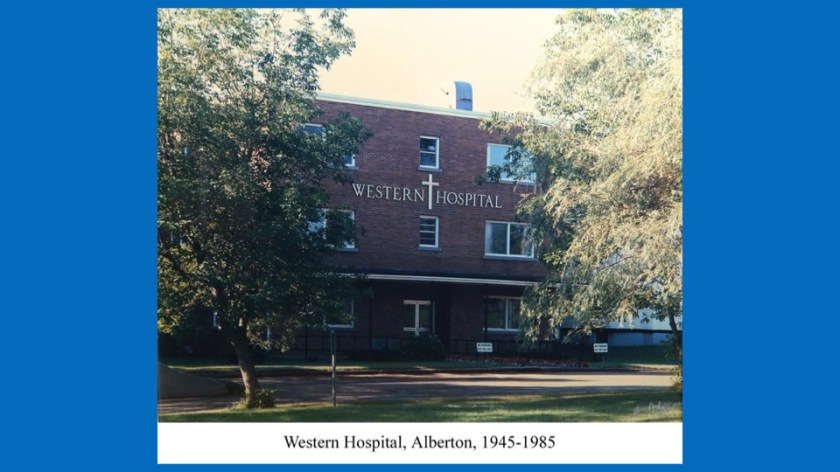
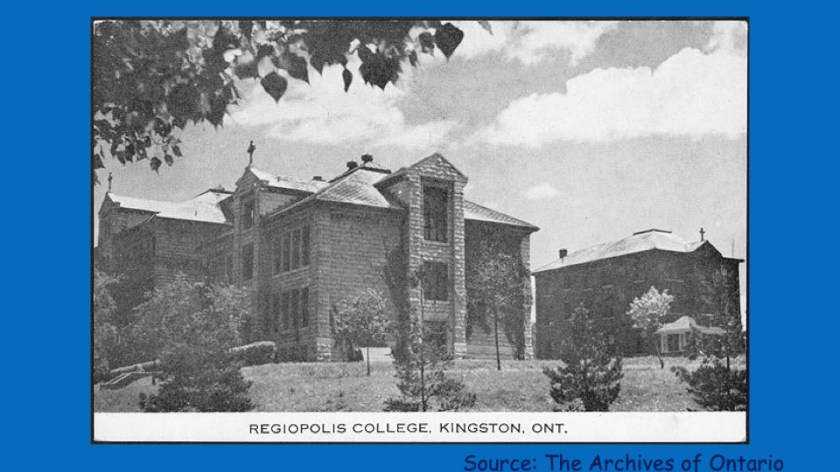
Vatican II presented another turning point in our history. The call to renewal was strong. Missionary work was encouraged. So, in 1960, one Sister was missioned to work in Peru and in 1970 two more began a five-year mission in the Dominican Republic.
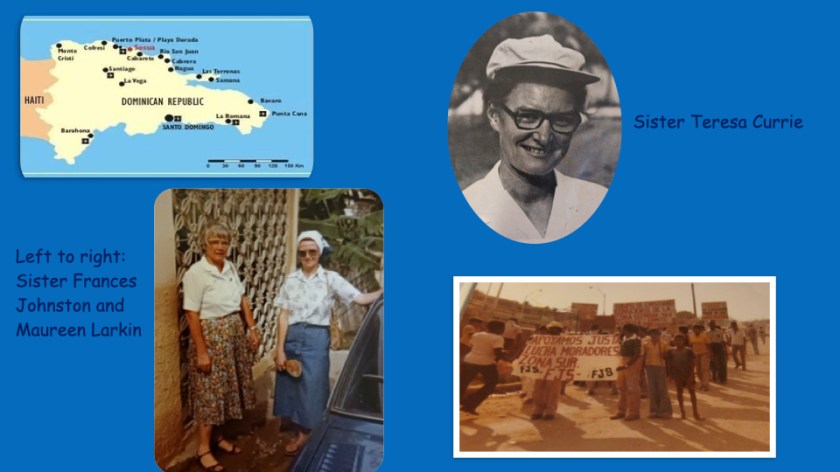
Many more joined them in the years to come and the lessons that they learned from the people among whom they lived were carried back to us, and deepened our commitment to the elimination of poverty.
Renewal also involved looking inward. Together we studied our charism and in 1979 gave voice to our statement of charism:
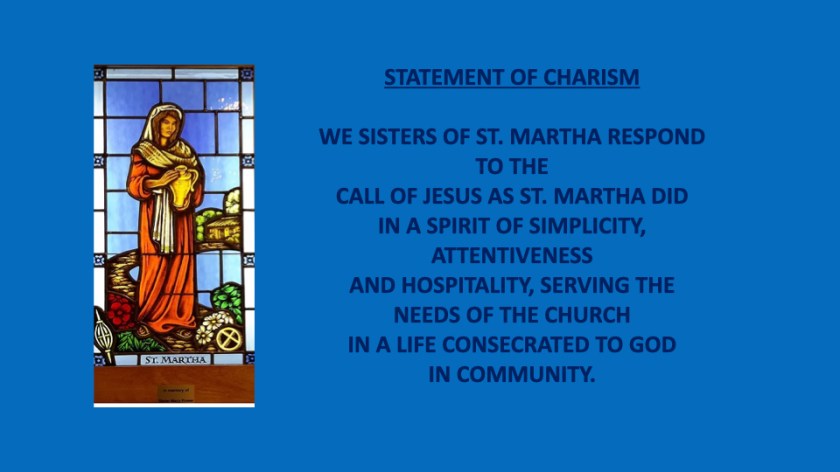
We Sisters of Saint Martha respond to the call of Jesus as Saint Martha did in a spirit of simplicity, attentiveness, and hospitality, serving the needs of the Church in a life consecrated to God in community.
Reflection on our identity and mission as vowed women religious serving Christ in the spirit of discipleship modeled by Saint Martha became a way of life. In 1985 we put our call to mission into words which include the following:
…With confidence in the guidance of the Holy Spirit and in fidelity to the charism of our founding Sisters—expressed in their concern for the poor—we adapt our ministries to a changing culture, serving the suffering, the needy, and neglected…
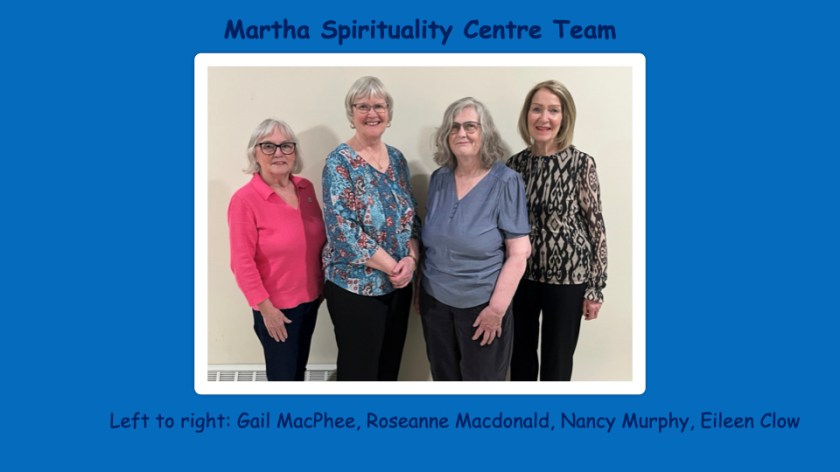
Following Vatican 2, church renewal also resulted in a strong revival of the Exercises of Saint Ignatius. Several Sisters became qualified spiritual directors and by 1976 retreats for lay people were offered at Mount Saint Mary’s. This new beginning evolved into the Martha Spirituality Centre which provides the opportunity for reflection on the Word of God and our lived experience. The Centre, administered by Sisters and dedicated laity, offers many options including retreats, workshops, spiritual direction, Christian meditation, Scripture studies, and sessions to support our relationship with God and all of creation.
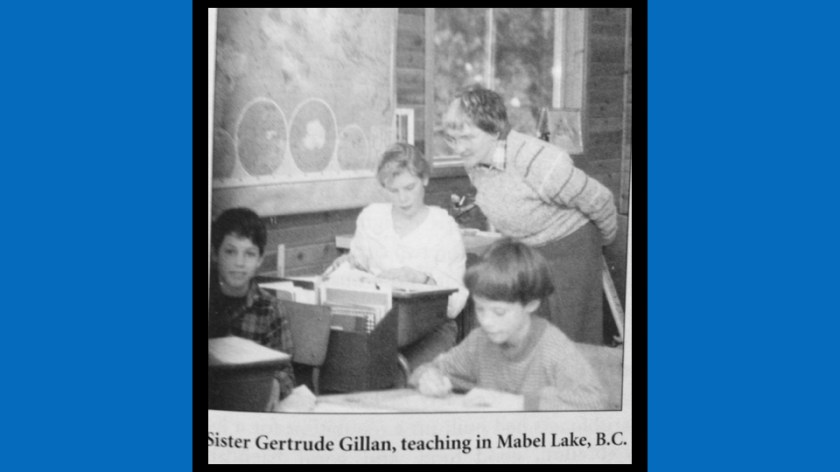
At the same time, solidarity with the poor was realized in several missions located on PEI, in Nova Scotia, northern Ontario, and Mabel Lake, BC.
Many more ministries were embraced: pastoral care, parish administration, ministry to prisoners, treatment for chemical dependency, chaplaincy, ministry to the deaf community, an innovative art program in high school and religious education, to name just a few.
As in many other places on the globe, the number of homeless and working poor on PEI has been on the rise for decades. Our Sister Florence Burke (slide) saw firsthand the struggle of people in the Charlottetown area to have the basic necessities of life.
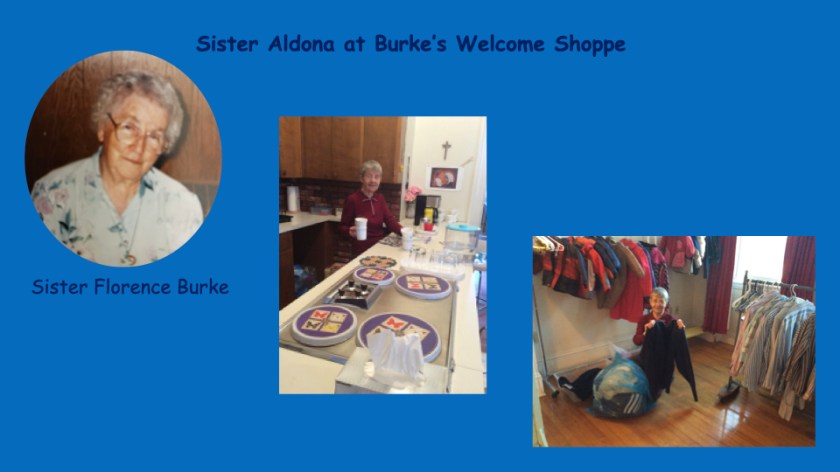
Thus, in 1993, Burke’s Welcome Shoppe was opened in an effort to provide persons and families with items to help meet those needs. Since 2001, Sister Aldona Arsenault has been overseeing this project.
Looking back, it is clear that the seeds of what would later be called our Vision Statement were planted much earlier. As far back as the 1940s our leader, Mother Teresa Walsh, instilled care of the earth into our Sisters by ensuring that the land on which we lived was lovingly nurtured. She led by example by joining in the work whether it be planting trees or caring for the garden.
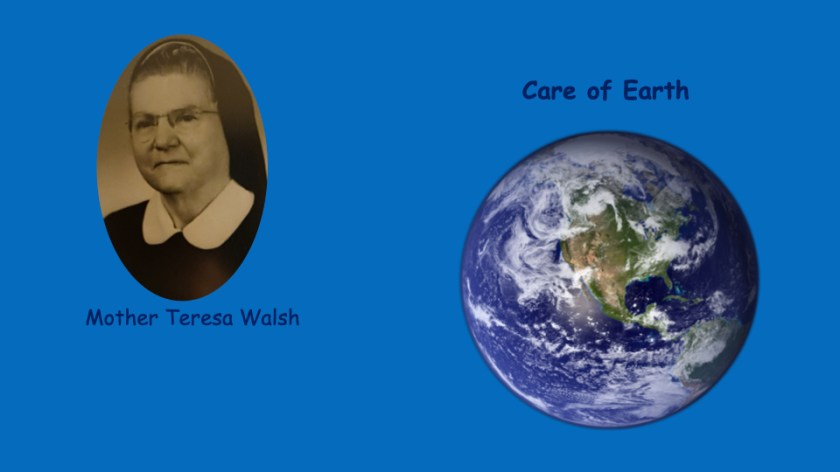
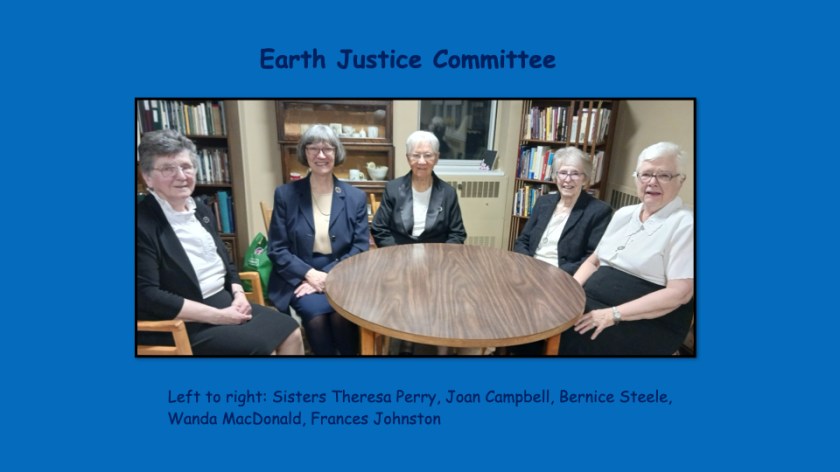
It seems natural then, that our pastoral plan of 1989 brought us as a congregation to a greater appreciation of our co-responsibility of caring for Earth. We pledged to deepen our knowledge and to develop a broader understanding of a spirituality that is global in context. For many years now, our Earth Justice Committee has kept this vision before us.
On March 28,1989, our first Martha Associates made their commitment to live the charism of hospitality more intentionally. These generous women and men support God’s mission in many ways. Today they number almost 30.
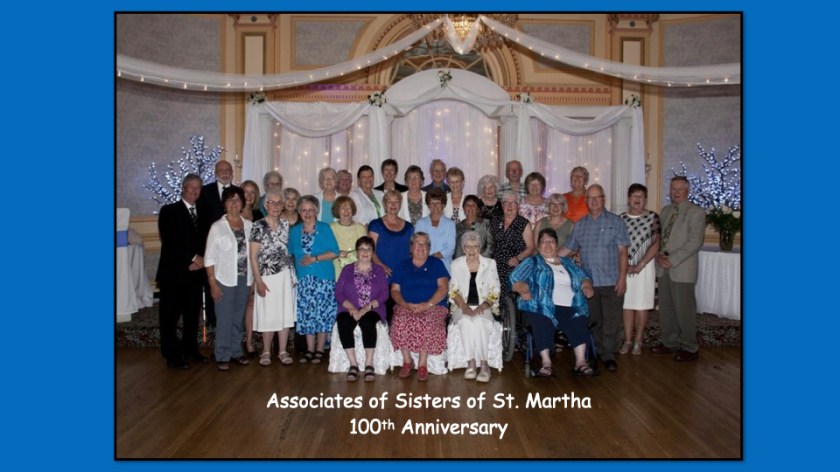
Martha Associates cherish and share prayer, music, hospitality, retreats, and socializing with one another. Like the Sisters, they strive to live a ministry of presence. Moreover, they deepen community through meetings, visits, phone calls and emails. They share joys and concerns and pray for one another. Special meetings and celebrations, memorial services, wakes and funerals of Sisters and Associates are attended as people are able. At this time I ask that our Associates please stand.
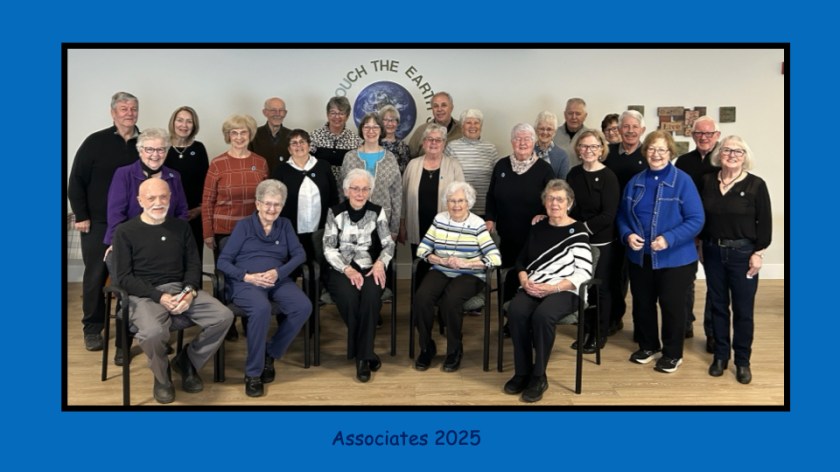
We Marthas are blessed to collaborate with our Associates and deeply grateful that they have responded to the call to join in this venture. Many of them assist us in ministry and we rely on their friendship and prayers.
Please join me in recognizing these wonderful disciples of Christ!
Many of our Associates will remember a major development in the history of our congregation that began to unfold in 2008. That year we Sisters began what we called a futuring process. A key insight that arose from our discussions was the necessity to plan for the future of our beloved Motherhouse. Though difficult to face, we came to the decision that it was time to sell it. Much time, prayer, deliberation, consultations, discernment and many meetings resulted in a sale in 2013 to the current owner, Paul Jenkins, who is with us today.
Though smaller in numbers, we remain committed to the work of Christ’s mission. In recent years, Pope Francis of happy memory, urged all people to protect our common home and to seek sustainable development. And so, our efforts to care for Earth deepen.
For example, several years ago we donated a small area of wetland south of the present Mount Continuing Care Community to Ducks Unlimited.
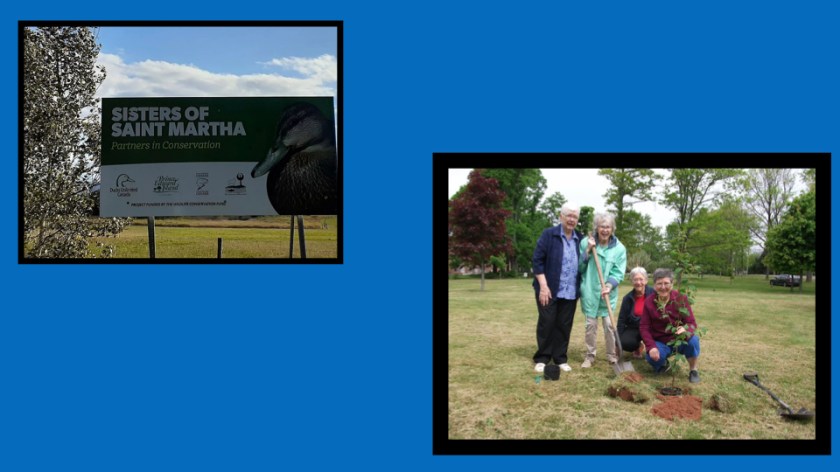
This sanctuary in Charlottetown offers a wee haven to local and migratory birds as well as indigenous plants and animals. Another section of this land is used to pasture horses housed at UPEI’s College of Veterinary Medicine. Over the years we have happily noticed people stop by for a few moments of quiet reflection.
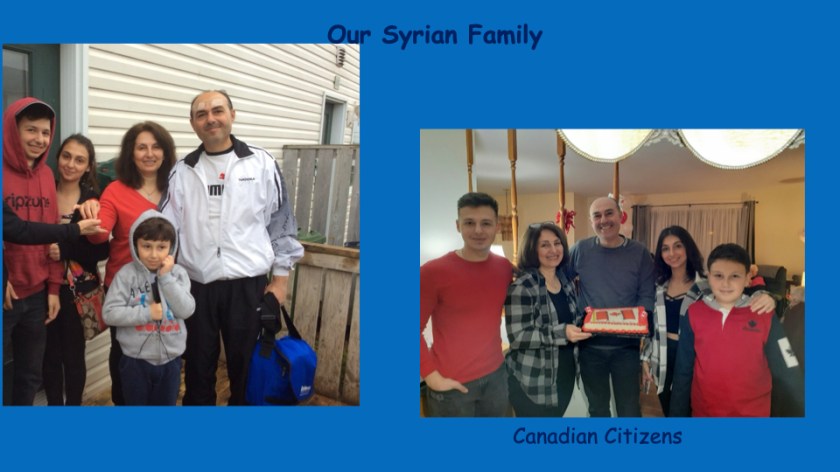
In 2016, we decided to make application to become private sponsors of a Syrian refugee family. In the wee hours of the morning on March 7, 2017, the Ismael family arrived at the Charlottetown airport. Journeying with the family as they adjusted to life on PEI has truly been a joy. Kiki and Taleb’s children are doing well. Yassan and Sarah are UPEI graduates and Daniel is in grade 8. One of the many things that we have learned from them is the centrality of family and we are privileged to be considered members of their extended family. Our Associates have shared a close association with them as well. They helped to set up their new home, the Ismaels needed support they visited them, helped them to learn English, and drove them places before they acquired their own car.
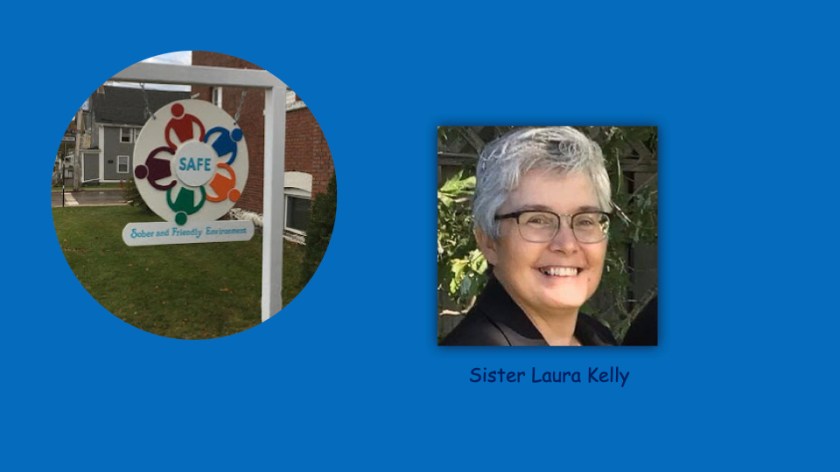
In 2018, we sponsored a project called SAFE which stands for Sober and Friendly Environment. This rapidly growing project is a place for adults, especially young adults, to socialize in a relaxing environment without the influence of alcohol. The Director of SAFE, Sister Laura Kelly, partners with various shelters and other centres that support the poor. She and volunteers are constantly initiating new ways to help people cultivate a way of life that is not dependent on drugs.
Since the need for affordable housing continues to climb, we partnered with federal, provincial and municipal governments along with Kings Square Affordable Housing Corporation in the construction of an affordable housing complex, eventually called Martha Place.
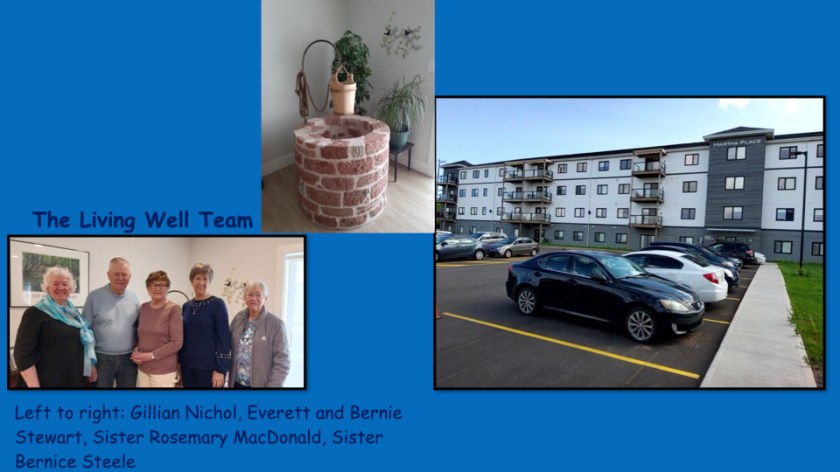
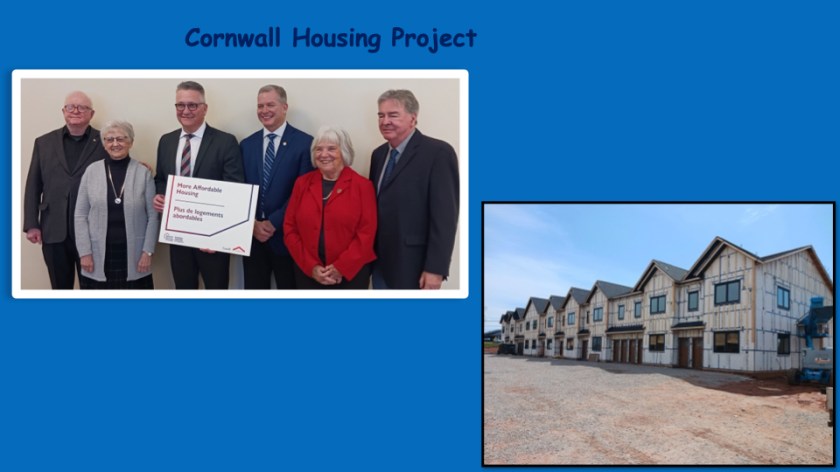
Opened to tenants in the Spring of 2021, Martha Place contains 60 units, 50 of which are truly affordable. The building also contains a centre called The Living Well. Administered by Sister Rosemary MacDonald, the centre provides programs on all kinds of life skills, earth literacy, counseling, and responds to the evolving needs of the poor, including a food bank. We have also supported a second affordable housing complex which is being constructed in Cornwall.
Collaborative projects continue. Early in 2016, the year of our 100th anniversary, we were invited by the Sisters of Saint Martha of Antigonish to join the Sisters of Charity Federation. Being able to trace our connections with the Vincentian tradition, we officially joined in June of 2017.
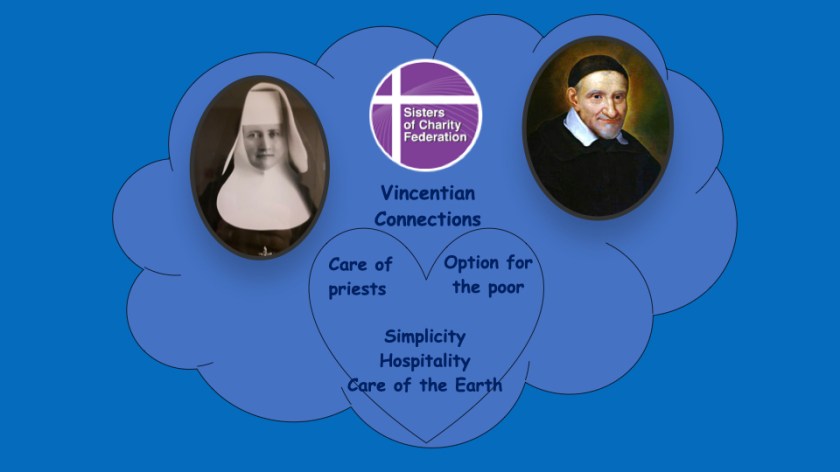
By membership in the Charity Federation, we can continue to respond to the cries of Earth and her inhabitants who live in poverty.
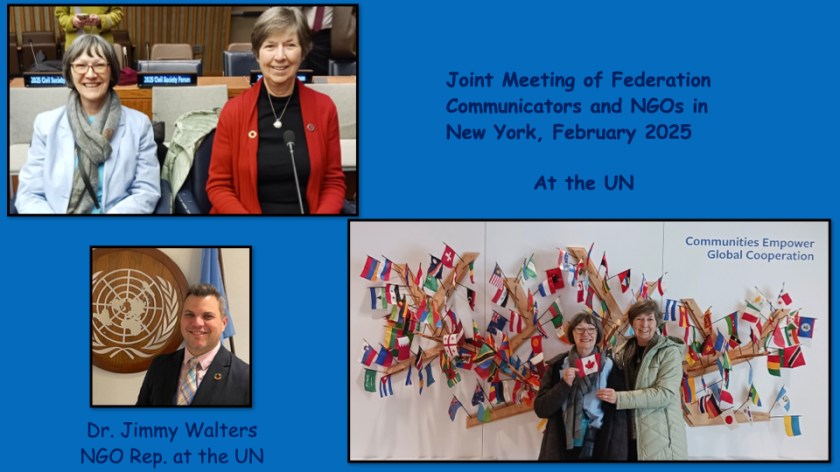
A major means by which the Federation advocates for them is through the work of Jimmy Walters, our NGO at the UN. With other religious NGOs, Jimmy brings our concerns to the UN and works for change. Sisters Rosemary MacDonald and Joan Campbell joined Jimmy Walters and other congregation representatives in New York this past February. This meeting included a visit to the UN to the Civil Society Forum.
In conclusion, (slide of Chapter Logo) we wish to thank all of you for joining us today. This gathering constitutes a new and exciting form of collaboration. May the Holy Spirit inspire our deliberations so that this day will give us light and hope for the journey.